
AQUACULTURE & FISHERIES
-

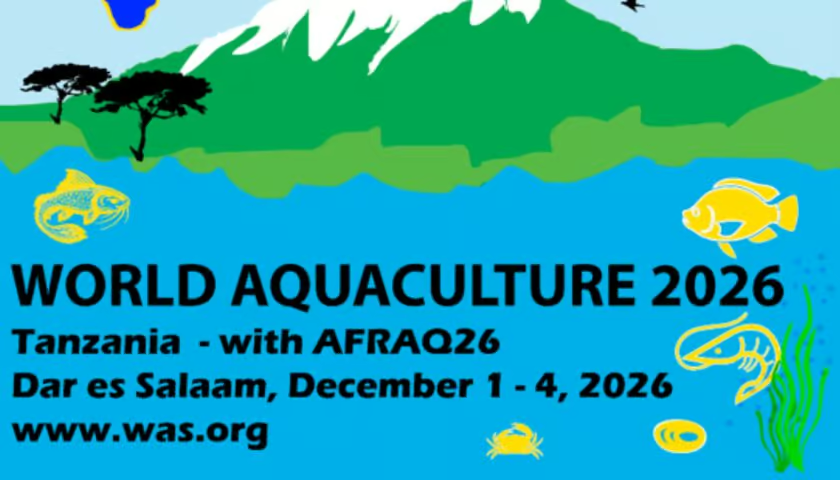
World Aquaculture Tanzania 2026 to spotlight aquafeeds and investment
WA26T will connect aquafeed innovation, investment and partnerships to Africa’s aquaculture growth.
-
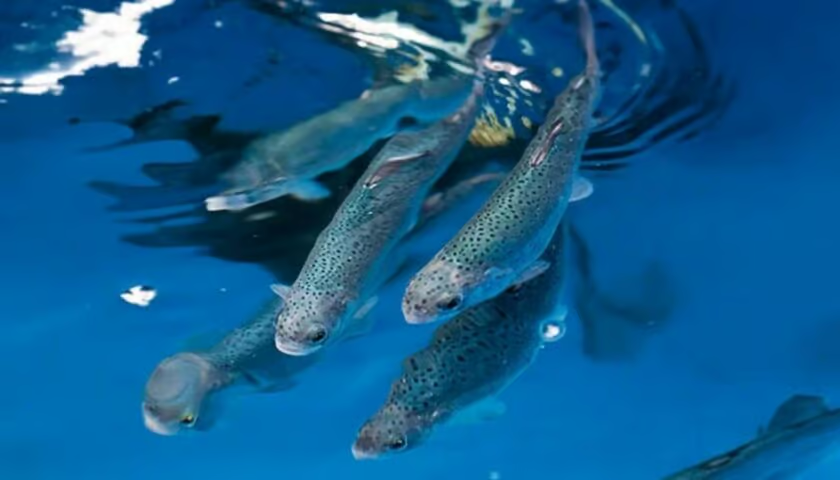
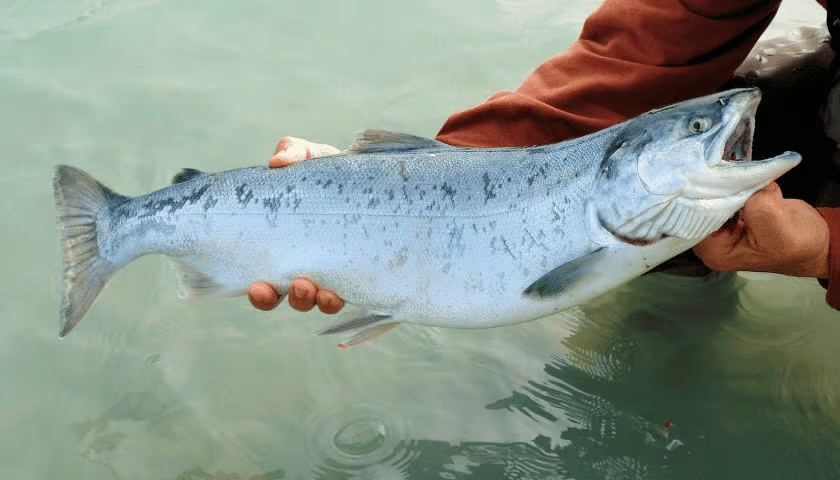
University of California researchers develop fish-free aquafeed for rainbow trout
The microalgae and canola oil formulation maintained fish growth and fillet nutritional quality in experimental trials, offering an alternative to conventional marine ingredients.
-
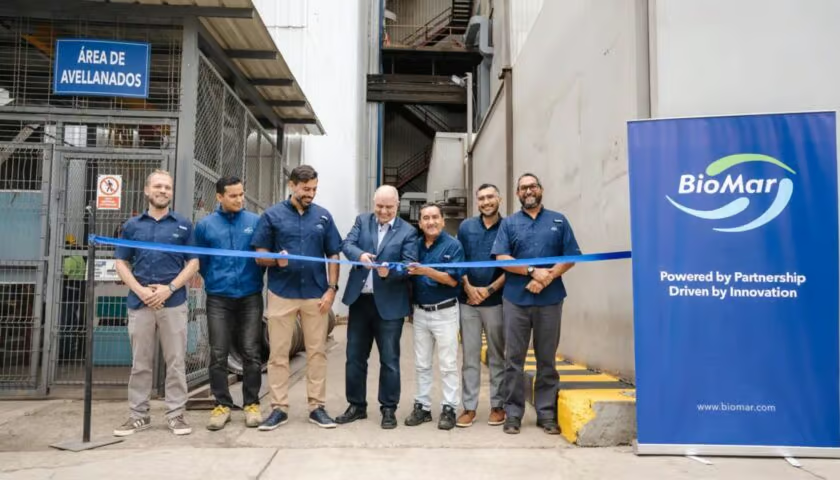
BioMar inaugurates first phase of Ecuador shrimp feed expansion
The investment will increase BioMar’s production capacity as Ecuador’s shrimp industry grows, with a further expansion phase expected to add up to 300,000 tonnes.
-
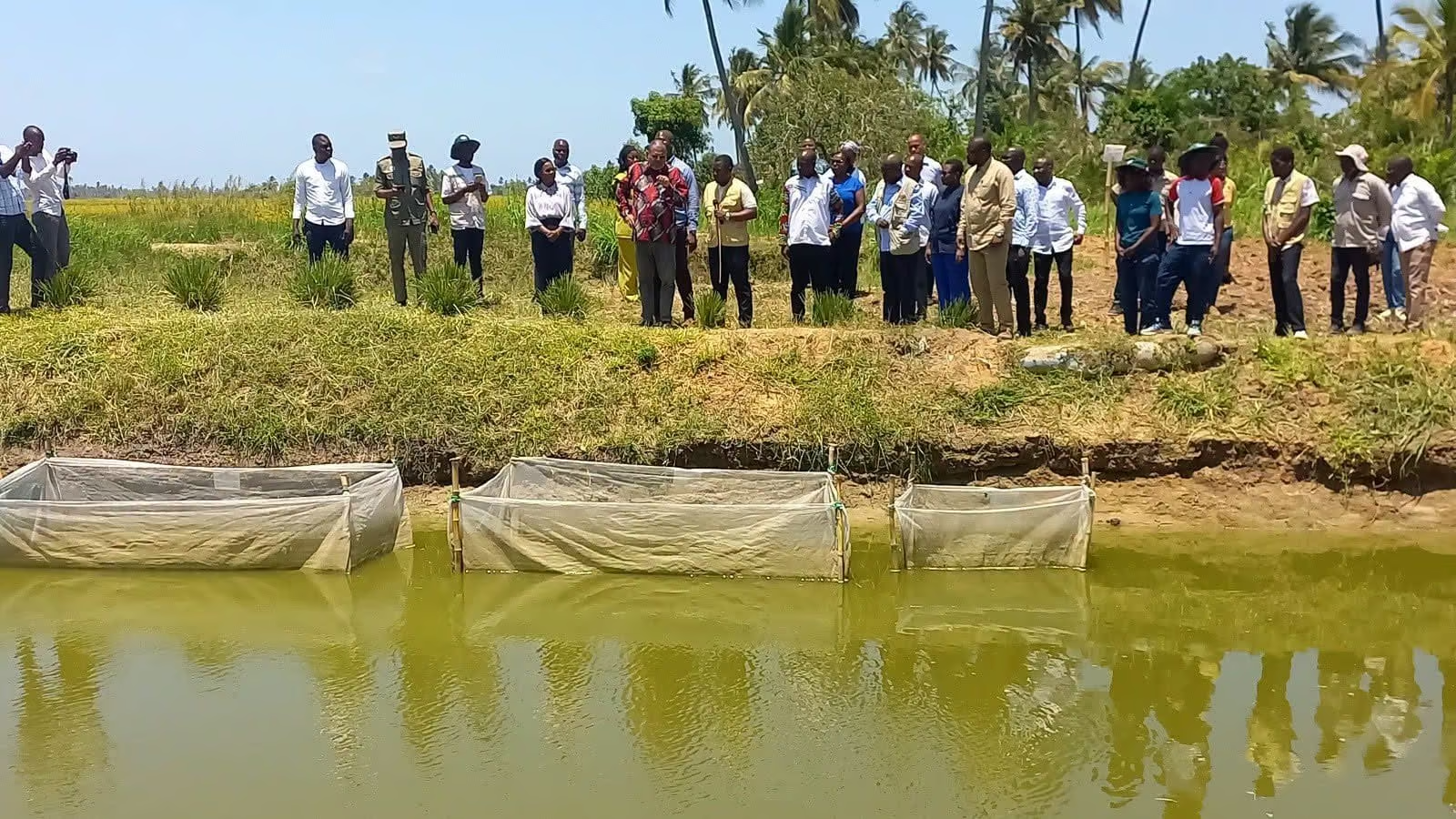
AquaFish opens fingerling production centre in Mozambique
The facility can produce more than 10 million fingerlings annually, strengthening access to quality juvenile fish for aquaculture producers.
-
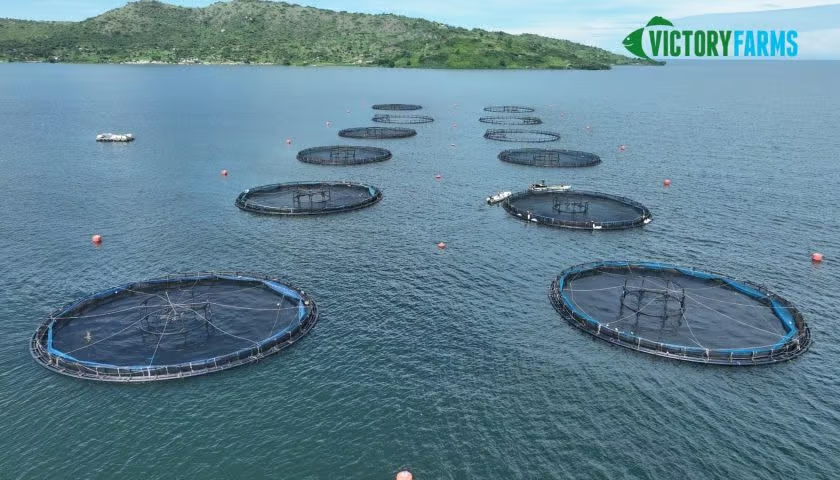
Victory Farms harvests record 100 tonnes of tilapia in one day
The Kenyan aquaculture producer’s latest production milestone comes as it expands farming capacity to improve fish availability and affordability.
-
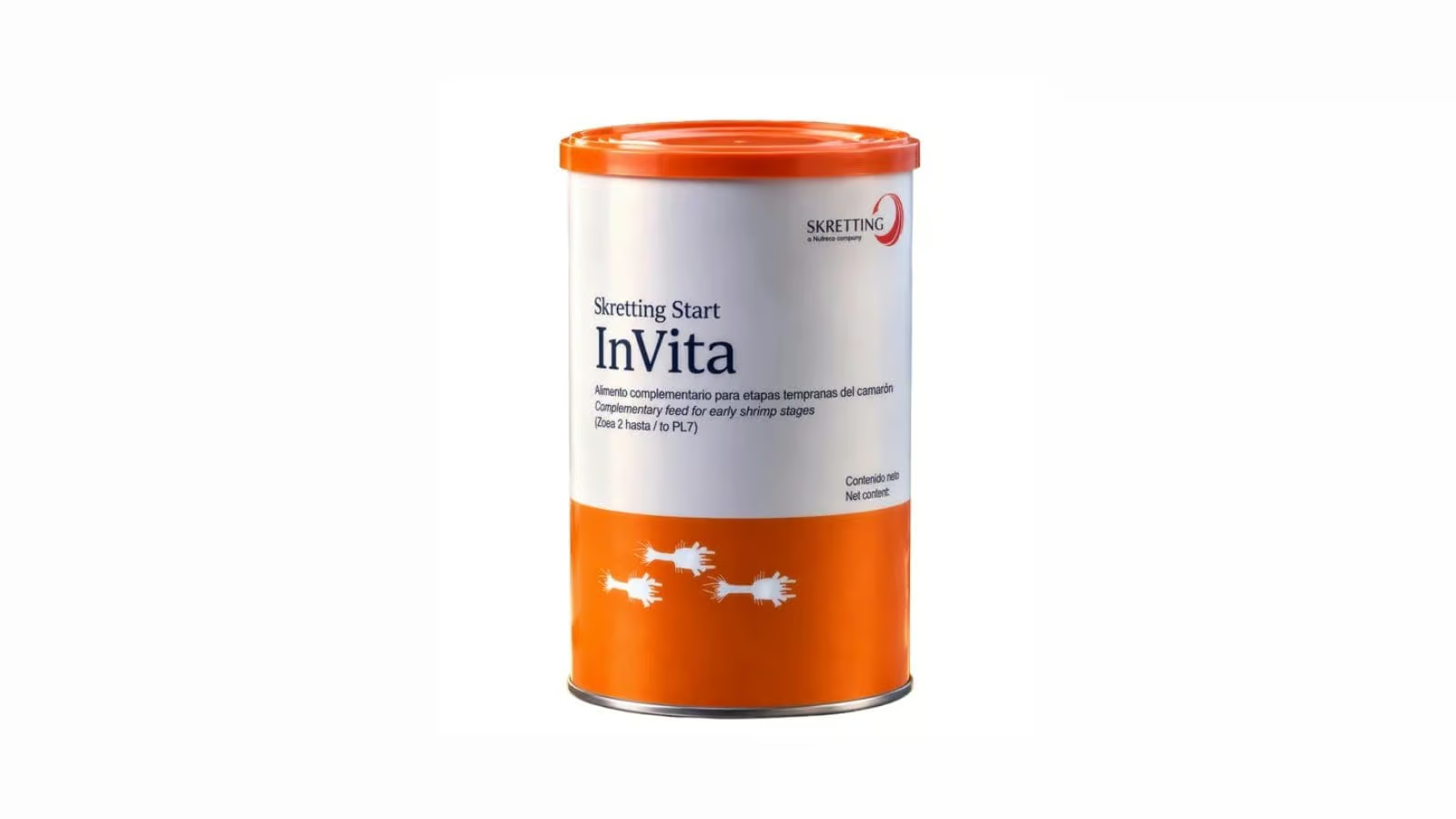
Skretting launches three shrimp feed solutions in Ecuador
The new LifeStart portfolio additions target shrimp nutrition from hatchery to grow-out, combining feed supplements for early development with a nursery-to-grow-out feed range.
-
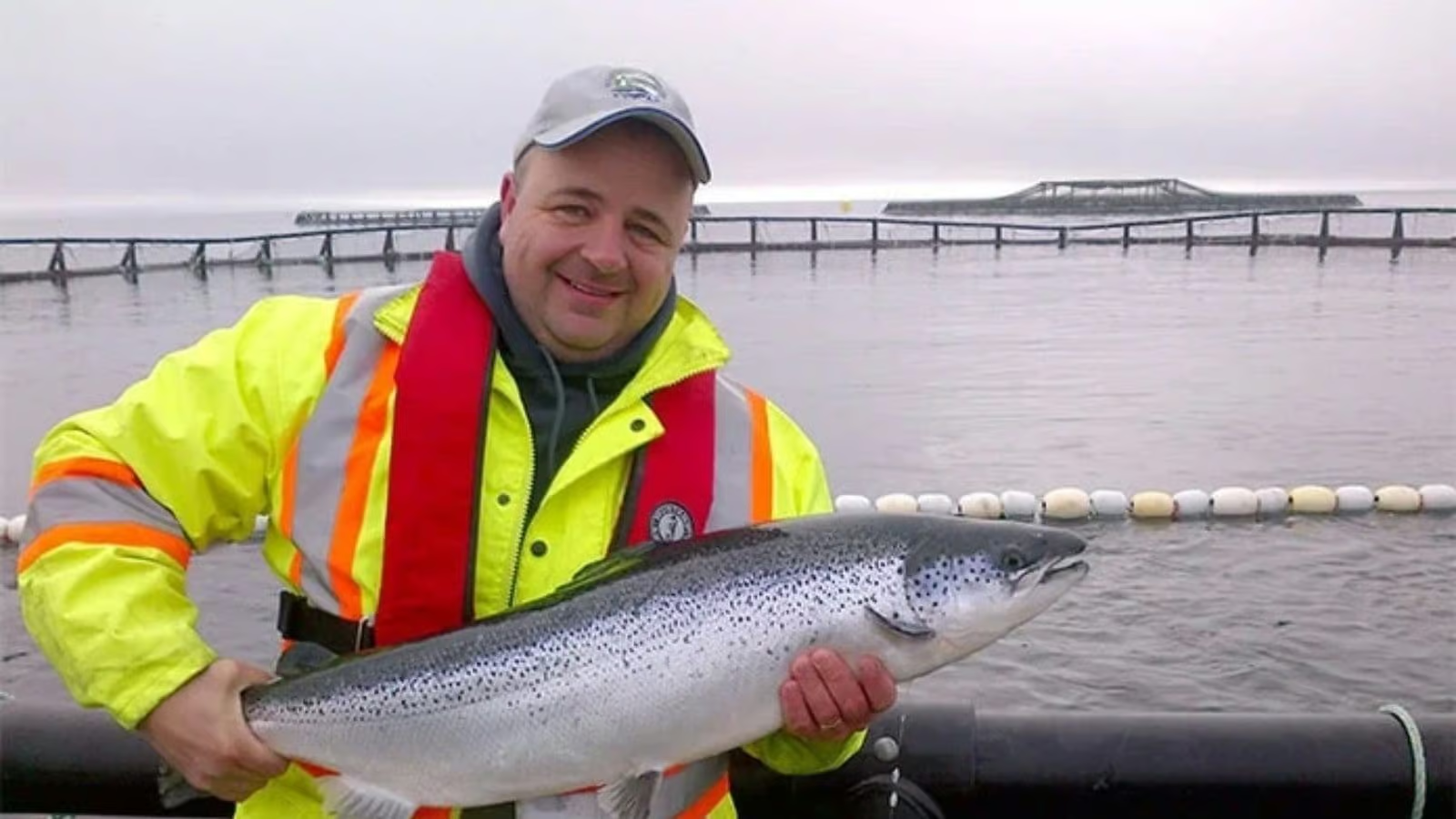
Canadian salmon feed contains 80% non-fish ingredients
Canadian salmon farmers report growing use of alternative feed ingredients, including algae oils, insect proteins and fermentation-derived proteins.
-
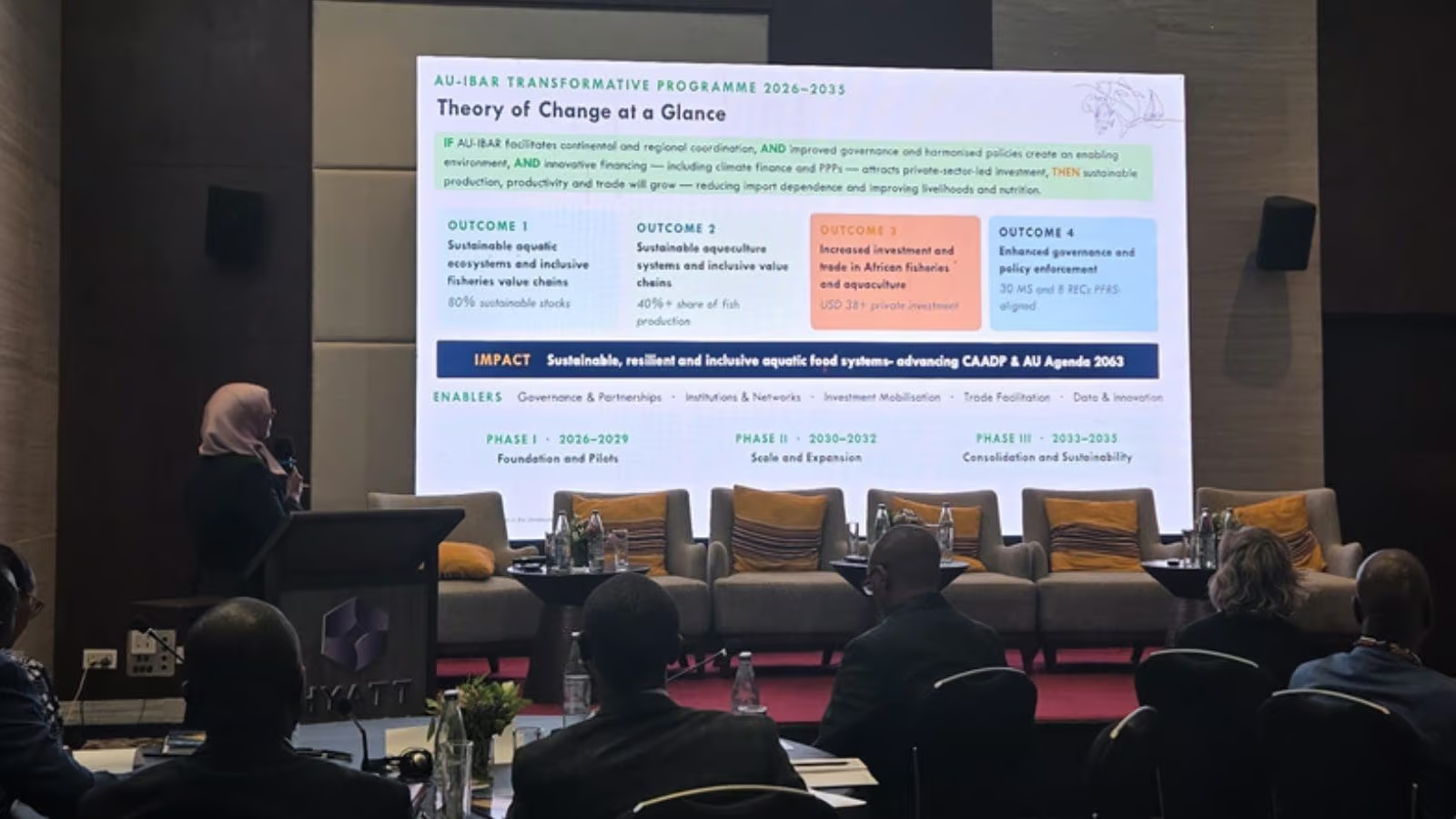
African Union endorses 10-year fisheries and aquaculture programme
The plan targets barriers to aquaculture growth, including limited access to feed, seed, technology and finance, while prioritising investment and stronger regional coordination.
-
WorldFish plans Nigeria office to support aquaculture growth
The planned country office will strengthen work on fish breeding, aquaculture productivity and sustainable production.
-
Salmon producers turn to poultry byproducts in feed
Rising fishmeal prices are driving major European salmon producers to adopt lower-cost poultry ingredients, raising questions about sustainability and consumer acceptance.